

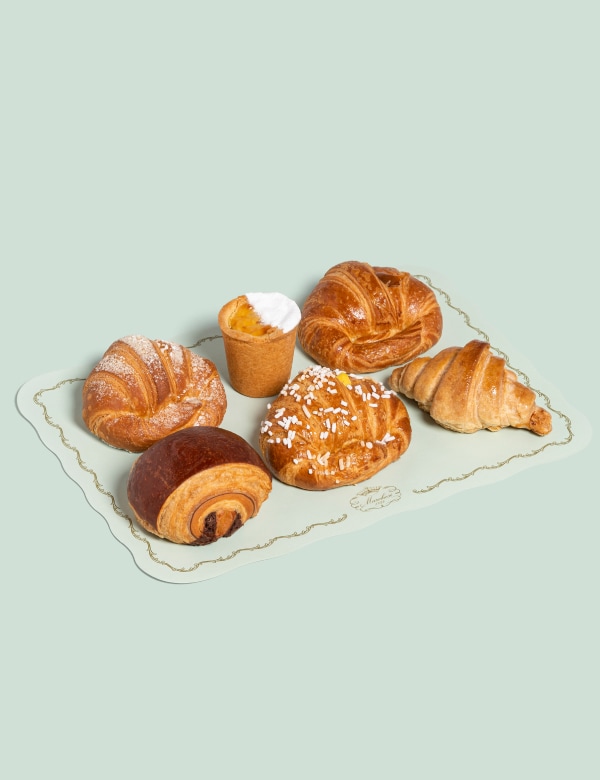
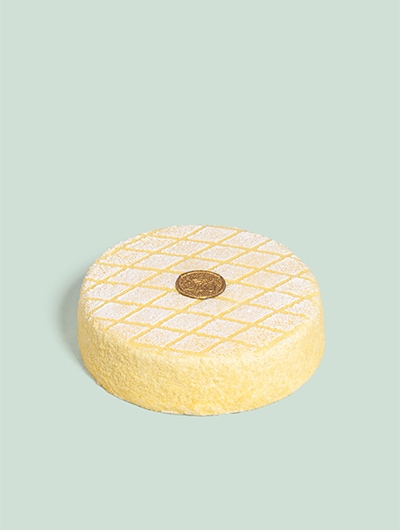



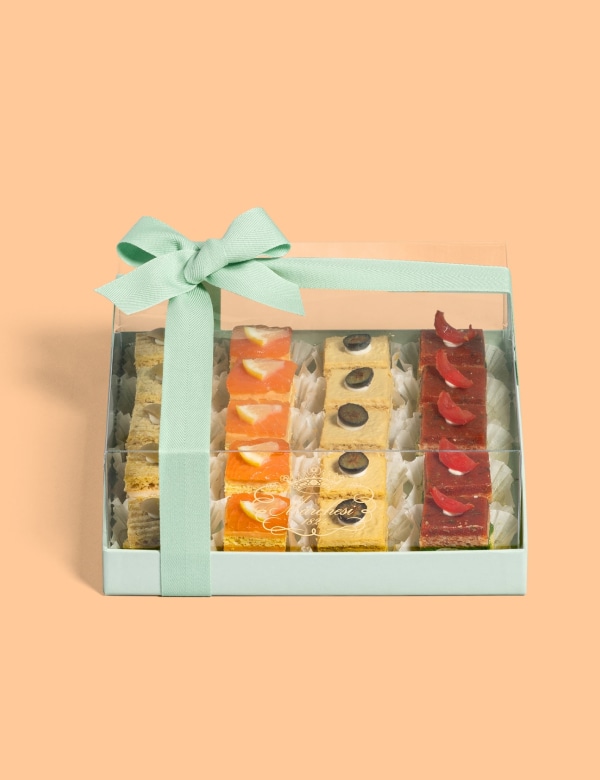

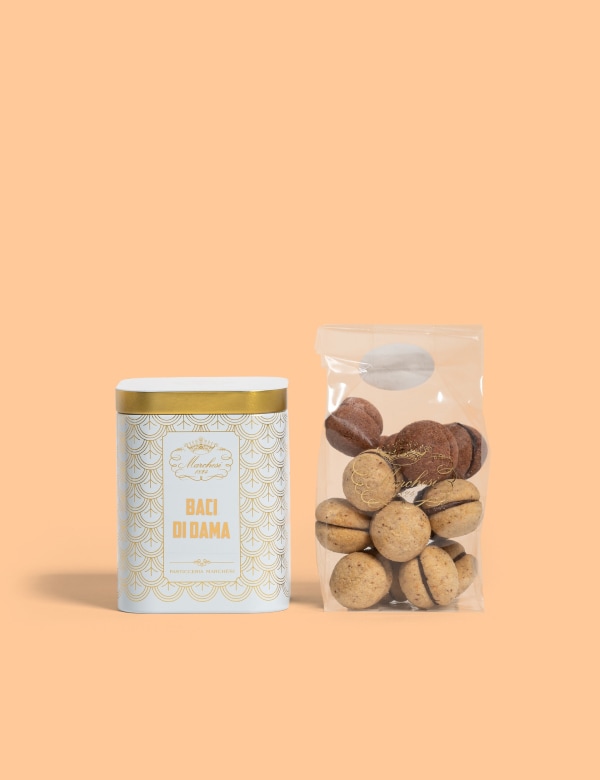



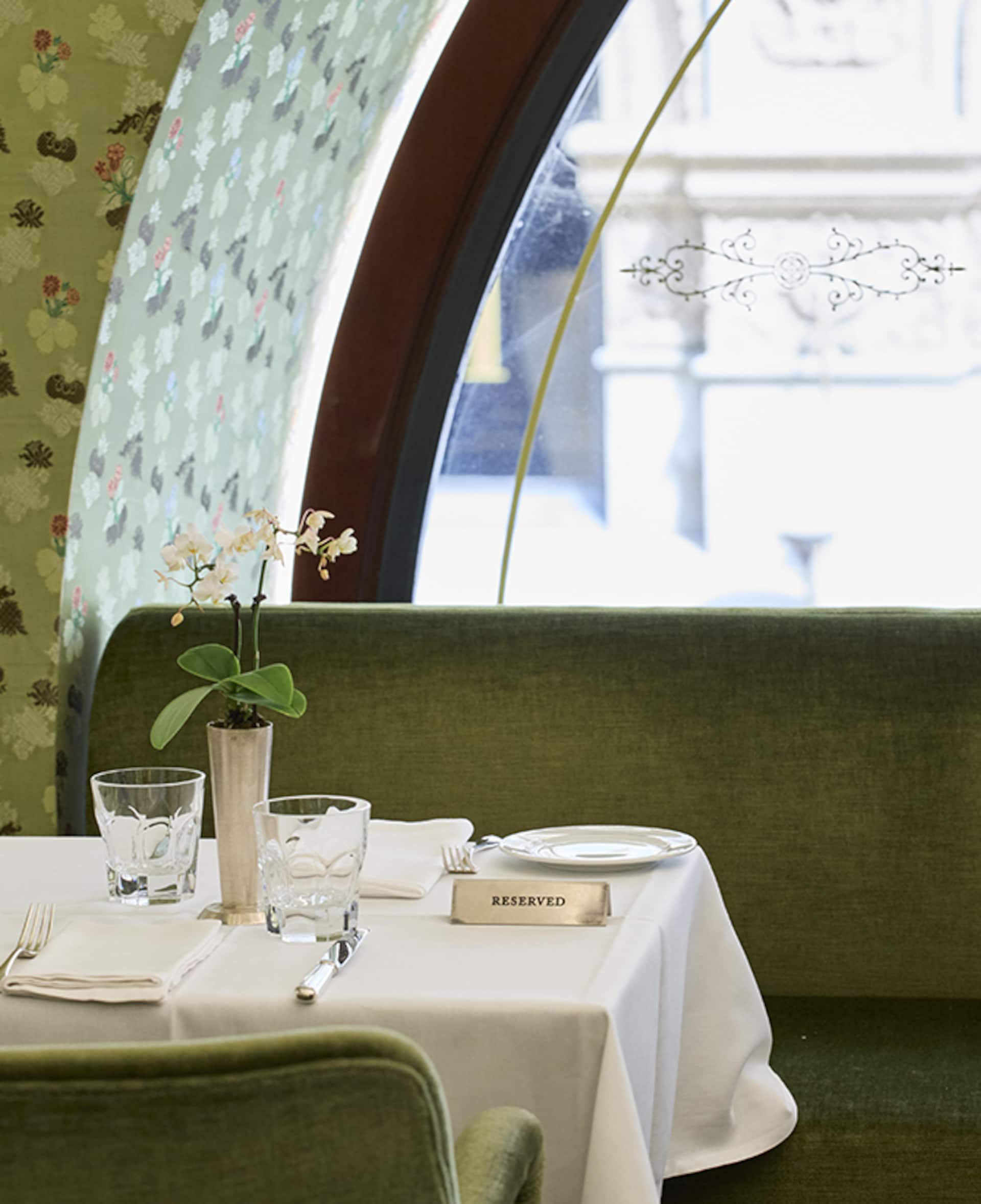
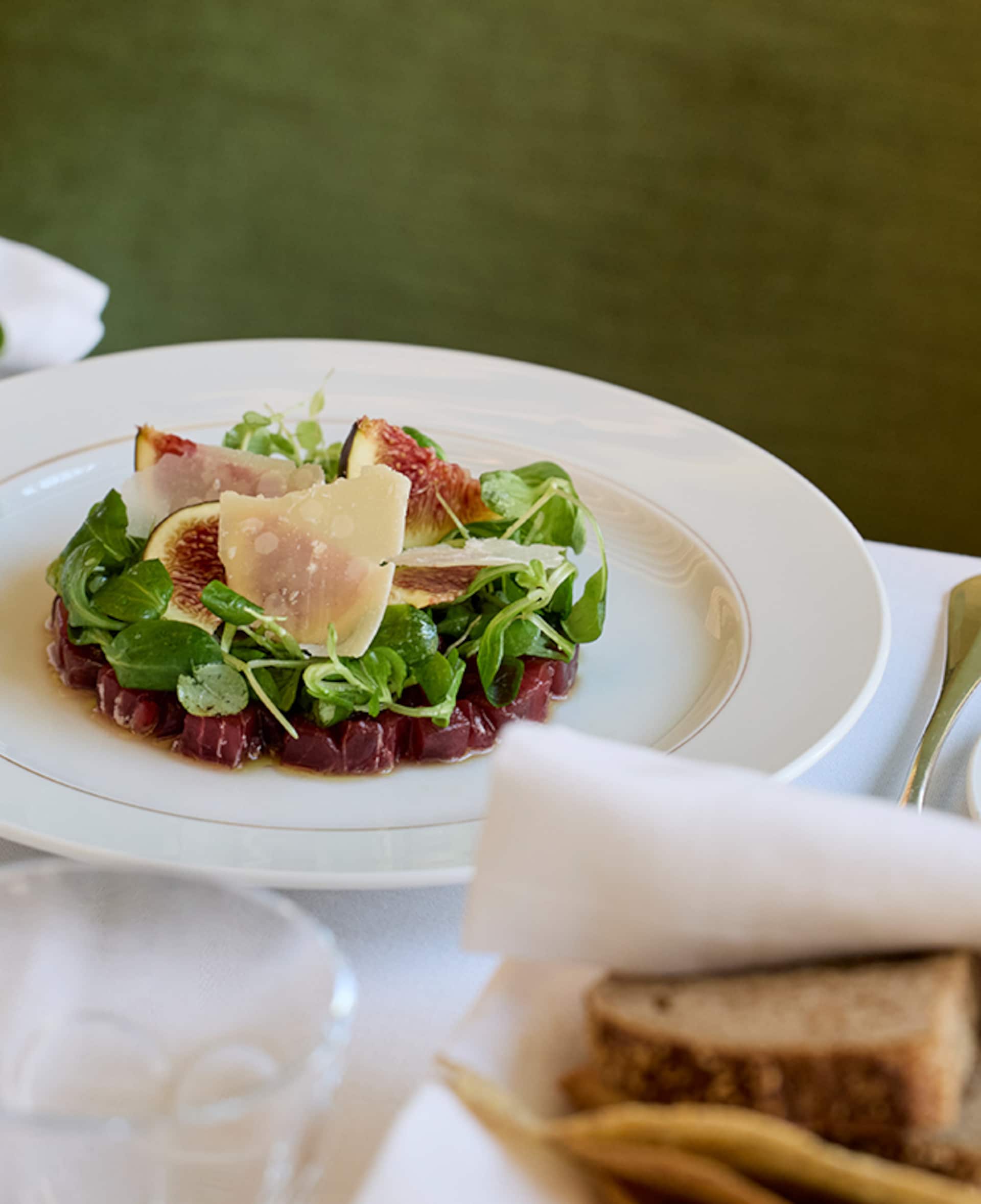
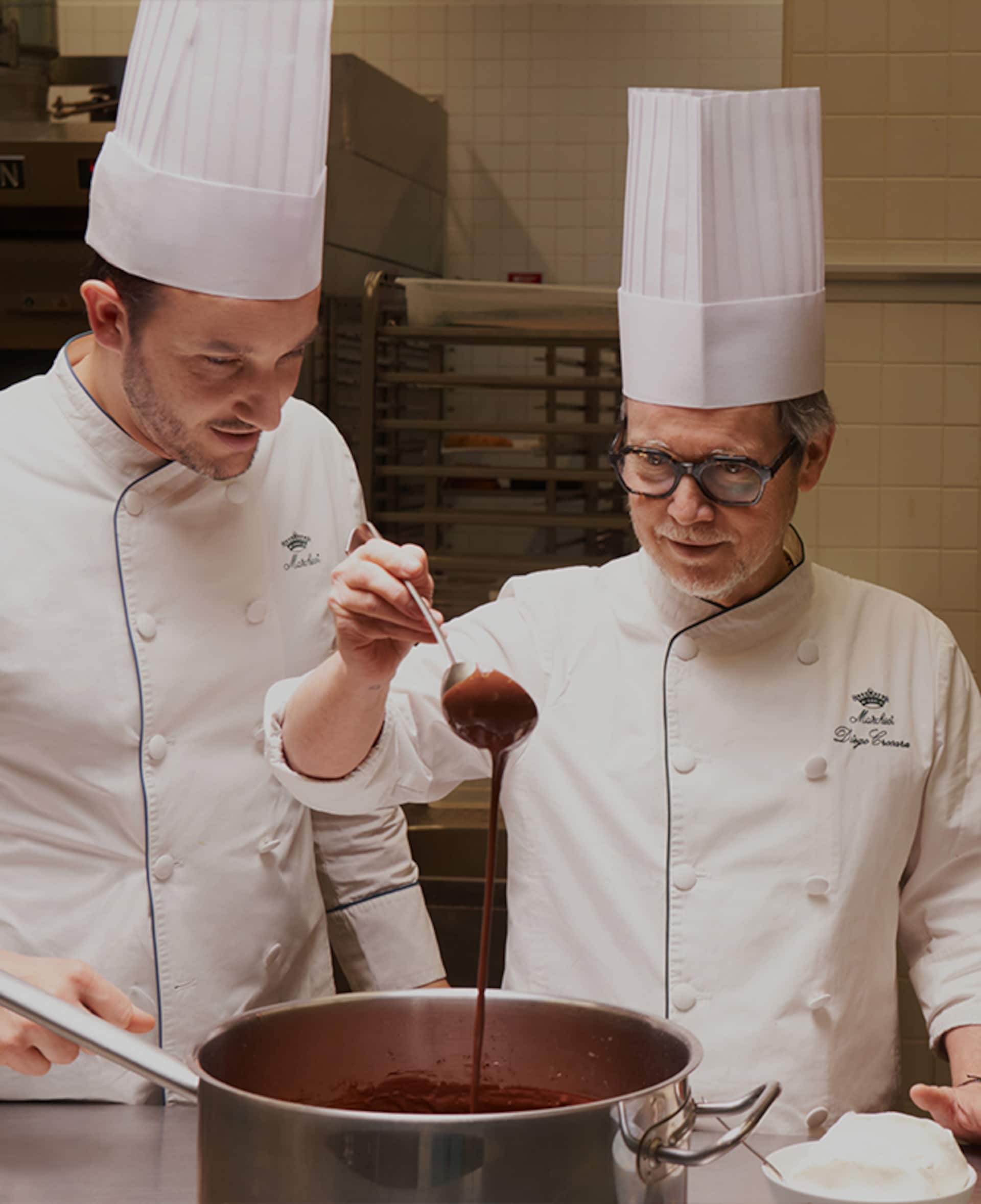
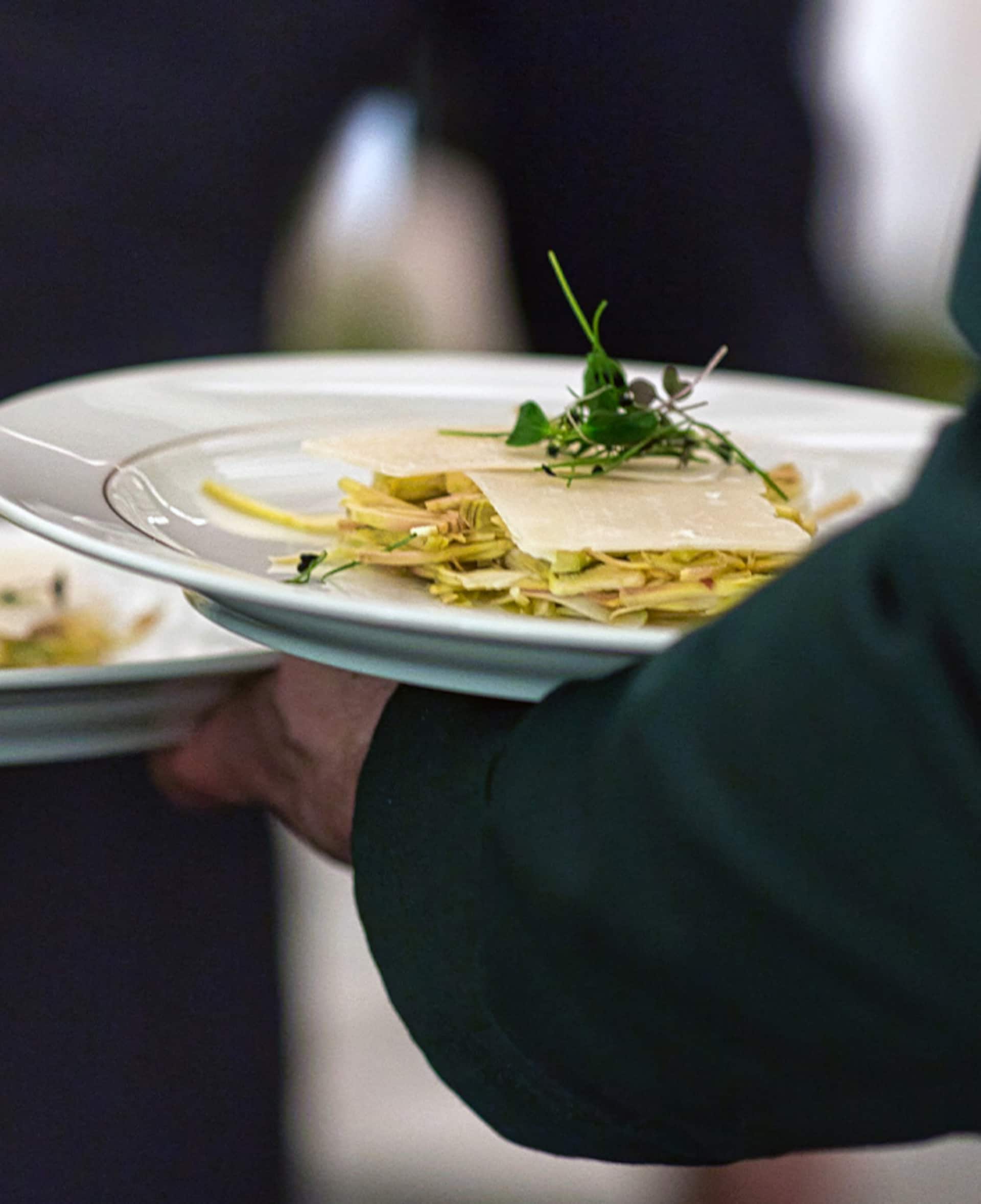


On a busy morning at Marchesi 1824 in Galleria Vittorio Emanuele II, we met author and food writer Mimi Thorisson and designer Fanny Bauer Grung over hot chocolate. What began as a simple pause in the day unfolded into a conversation about cities learned slowly, rituals practised in public, and the small, repeated gestures that give everyday life its shape. A discussion about good routines, accumulated taste, and why some places are hard to live without. Much like good cooking or design, the habits we talked about are refined through use, not invention.
You have both chosen cities in Italy — Milano and Torino — as your home, your base. How do you go about becoming part of the fabric of a city?
Mimi Thorisson: For me it always begins very early in the day. I like being alone in the city before it really wakes up. I’ll go to a café, walk through a market, look at vegetables, colours, and people setting up their stalls. Markets are incredibly important to me — they give me a palette, visually and emotionally. I grew up between cultures — my mother is French, my father is from Hong Kong — so I think I learned quite early to read places through small details. Now, with my husband, the children, the dogs, those rituals become shared. You return to the same places again and again, people start recognising you. Over time you build a mental map, and that’s when a city starts to feel like yours.
Fanny Bauer Grung: I completely agree. I think ritual is everything, especially in Italy. It’s the daily gestures that make you feel part of a place. For me it’s very concrete — dropping off the kids at school, then stopping for a standing coffee with the other mothers before starting the day. You see the same people, you greet each other, you know the barista, the florist, the waiter. Repetition creates familiarity. You’re recognised, and that recognition becomes a form of belonging.


What does elegance mean to you in everyday life?
FBG: Elegance is coherence. It’s when things make sense together — how you live, how you move, the choices you make throughout the day. It’s not about decoration or display. You can feel immediately when something is aligned and when it isn’t. Elegance is often very simple, but it requires attention. It’s about making decisions and then staying with them, rather than constantly changing direction.
MT: I think elegance is what endures. It’s not something you buy or apply — it’s something you maintain. It has to do with repetition, with care over time. You see it in places that have lasted, in recipes that are still cooked the same way, in rituals that are respected. Elegance allows life to move forward, but without erasing what came before. It’s a balance between memory and the present moment.
FBG: And I think that’s why elegance feels calming. It doesn’t ask for attention. It doesn’t need to prove itself. When something is elegant, it simply holds together — and that gives you a sense of ease.